How to unclog a bathroom sink drain without harsh chemicals
Clear a slow or blocked bathroom sink using boiling water, a plunger, a drain snake, and a vinegar-baking soda flush - no caustic chemicals required.
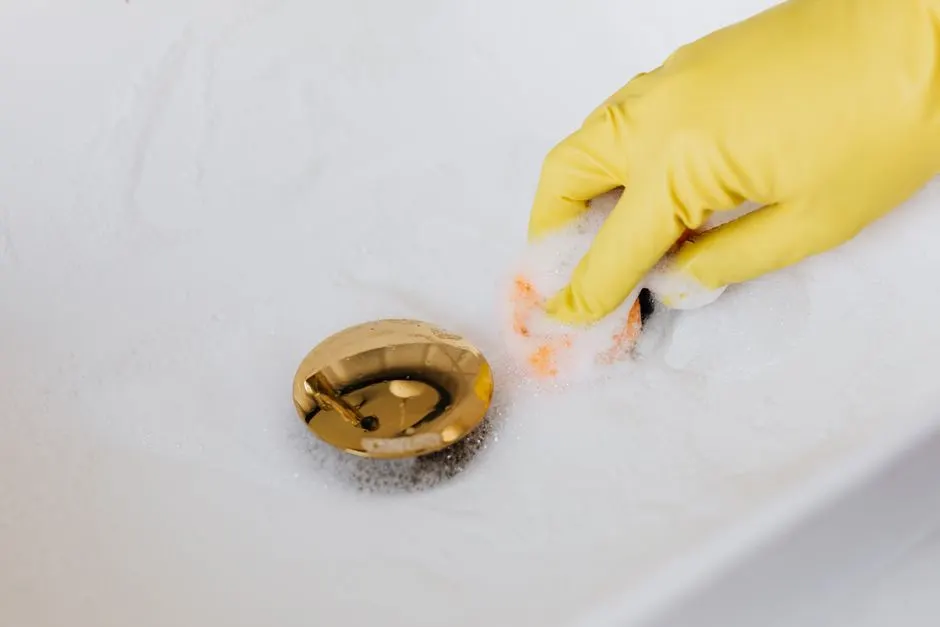
You can unclog a bathroom sink drain without harsh chemicals by lifting the pop-up stopper, pulling hair out of the P-trap, plunging the drain, snaking the branch line, and finishing with a boiling-water flush. Most slow bathroom sinks in Port Charlotte clear in 20 to 40 minutes with tools you already own, and you never have to pour lye or sulfuric acid down a drain that sits three feet from where you brush your teeth.
This guide walks through the exact sequence we use, why the clog formed in the first place, and the point where a DIY job turns into a call to a professional. We work on bathroom drains across Port Charlotte every week, and the pattern is almost always the same.
Why bathroom sinks clog in Port Charlotte
Bathroom sink clogs in Port Charlotte form from three ingredients: soap scum, hair, and the mineral-heavy water that comes out of the Floridan Aquifer. Charlotte County water runs hard - often 8 to 12 grains per gallon - and that calcium binds with soap residue to create a sticky film inside the tailpiece and trap. Hair catches on that film, more soap sticks to the hair, and the drain narrows a little more every week.
The plumbing itself matters too. A large share of the housing stock here went up between 1985 and 2005, which means 1.25-inch or 1.5-inch chrome or PVC traps with a shallow 2-inch water seal. Those narrow traps clog faster than the 2-inch lines in newer builds. If your home also has cast iron drain lines under the slab, the interior walls have been roughened by decades of slightly acidic water, and rough walls grab debris.
One more local factor: seasonal occupancy. Snowbird homes sit unused from May through October, water evaporates out of the trap, and the first week back usually ends with a backed-up guest bathroom. If you own a rental or manage one, Drain Cleaning for Property Managers Port Charlotte FL covers the turnover flush schedule that prevents that call.
How to unclog a bathroom sink drain without harsh chemicals
Unclogging a bathroom sink without chemicals is a mechanical job - you are removing the blockage, not dissolving it. Work through these steps in order and stop as soon as the drain runs free.
Step 1: Pull the stopper and clear what you can see
Most pop-up stoppers release with a quarter turn or by pulling the pivot rod out from under the sink. Once it is out, shine a flashlight into the drain opening. Nine times out of ten you will see a gray-brown mat of hair and soap wrapped around the stopper's base. Pull it out with needle-nose pliers or a bent wire. That single step clears a surprising number of slow drains on its own.
Step 2: Boil a kettle and pour it in stages
Bring two quarts of water to a rolling boil and pour half of it straight down the drain in a slow, steady stream. Wait five minutes. Pour the rest. Boiling water melts the soap and grease fraction of the clog and pushes it past the trap. This works best on soap-heavy clogs and does almost nothing for a solid hair plug, which is why you do it after step 1, not instead of it.
Skip this step entirely if you have PVC drain lines that are visibly old or brittle, or if you know the trap is plastic - 200-degree water can soften thin-walled PVC. Warm water is the safer call in that case.
Step 3: Plunge the drain the right way
A cup-style plunger beats a flange plunger for sinks. Block the overflow hole with a wet rag first - if you do not, the plunger just pushes air and water out the overflow instead of down the drain. Fill the basin with two inches of water, seat the cup over the drain, and give it 15 to 20 firm strokes. Hold the last stroke down for a second before releasing. Then pull the plunger and run hot water to see if it drains.
Step 4: Snake the branch line
If plunging does not do it, the clog is past the trap. A 25-foot hand snake or a plastic hair snake fed through the drain opening will reach the trap arm and the horizontal branch. Crank clockwise, feel for resistance, and pull the debris back out rather than pushing it further down. This is the step that clears the hair-and-soap plugs we find in Port Charlotte homes most often.
Step 5: Flush with boiling water and check the trap
Once the drain runs, pour one more kettle of boiling water down to carry the loosened debris into the main line. If the sink still drains slowly, the clog is in the P-trap itself. Put a bucket under the trap, unscrew both slip nuts by hand, and clean the inside with a bottle brush. Wear gloves - trap sludge is the worst part of the job.
Does vinegar and baking soda unclog bathroom sinks in Port Charlotte FL?
Vinegar and baking soda will clear a lightly soap-fouled bathroom sink in Port Charlotte, but it will not dissolve a hair clog - it fizzes, loosens surface scum, and deodorizes the drain. Pour half a cup of baking soda into the drain, follow it with one cup of white vinegar, cover the drain with a plug or rag, and let it sit 15 minutes. Then flush with a full kettle of boiling water.
Use it as maintenance, not as a rescue. Run that flush once a month and you will push out the soap film before hair has anything to grab onto. If your sink is fully blocked, go back to the mechanical steps - plunger and snake - and save the vinegar for afterward.
What causes bathroom sink clogs in Port Charlotte Florida?
Bathroom sink clogs in Port Charlotte Florida are caused by hair binding with soap scum and hard-water minerals inside a narrow 1.25-inch trap, and that buildup is accelerated by sandy soil that finds its way into older lines. Ranked by how often we pull them out of local drains:
- Hair and soap scum - the number one cause, roughly 8 of every 10 bathroom clogs we clear.
- Toothpaste and shaving cream residue - thickens the film and gives hair something to anchor to.
- Hard-water scale - at 8 to 12 grains per gallon, calcium deposits narrow the pipe over years.
- Sand and grit - common in homes near the Peace River and in neighborhoods built on fill dirt.
- Biological growth in unused drains - a seasonal home left closed for six months grows a biofilm that plugs the trap.
Kitchen drains deal with grease, which is a different problem with a different fix. If your kitchen sink is the one backing up, Kitchen Sink Drain Cleaning Port Charlotte FL is the page you want.
Common mistakes that make a bathroom sink clog worse
The fastest way to turn a 30-minute bathroom sink clog into a weekend project is to push the blockage deeper instead of pulling it out. These are the mistakes we see homeowners make most often.
- Pouring chemical drain cleaner first. Caustic soda and sulfuric acid generate heat, can crack older PVC or cast iron, and leave a pool of standing chemical in the trap that a plumber then has to work around. They also rarely reach a hair clog sitting above the trap.
- Plunging without blocking the overflow. The overflow hole is a pressure relief valve. Leave it open and your strokes go nowhere.
- Running the garbage disposal or flushing a sink full of water. Adding volume to a blocked line just sends dirty water back up the other fixture.
- Using a drain snake with too much force. Cranking hard on a hand snake can scratch a cast iron line or push a hair ball past the trap arm into the branch where it is much harder to reach.
- Ignoring a slow drain for months. A sink that takes 30 seconds to drain is telling you the pipe is 70 percent blocked. Clearing it then takes minutes; clearing it after it stops entirely takes an hour.
If the same sink clogs every few months no matter what you do, the problem is not the clog - it is the line. Repeated blockages usually mean scale, a bellied pipe, or root intrusion further downstream, and Recurring Drain Clog Solutions Port Charlotte FL is built for exactly that pattern.
When to call a professional for bathroom sink unclogging
Call a professional when two fixtures are backing up at once, when a snake hits solid resistance it cannot pass, or when the drain clears and then re-clogs within a week. Those three signals point to a blockage in the branch line or the main drain rather than the trap, and no amount of plunging will fix a main line.
We see this constantly in Port Charlotte, especially in homes off Edgewater Drive and in the older sections of Murdock where cast iron laterals have been in the ground since the 1970s. Our technicians run a camera down the line, find the actual obstruction, and clear it with the right tool - a cable machine for hair and scale, hydro jetting for grease and sludge, or a cutter head for roots. You get a flat price before we start, and we test the line before we pack up.
If you would rather not spend your Saturday under a sink, our team handles Bathroom Sink Drain Cleaning Port Charlotte FL same-day across most of the city. For the wider range of work we do - from a single slow sink to a full main line - start with Drain Cleaning Port Charlotte FL and we will point you to the right service.
Frequently Asked Questions
How do I unclog a bathroom sink without chemicals in Port Charlotte?
Pull the stopper and remove visible hair, pour two kettles of boiling water down in stages, plunge with the overflow blocked, then snake the branch line. That sequence clears most bathroom sink clogs in 20 to 40 minutes without a drop of caustic cleaner.
Does vinegar and baking soda unclog bathroom sinks in Port Charlotte FL?
It clears light soap scum and odor but will not dissolve a hair plug. Use half a cup of baking soda plus one cup of vinegar, let it sit 15 minutes, then flush with boiling water. Treat it as monthly maintenance, not an emergency fix.
What causes bathroom sink clogs in Port Charlotte Florida?
Hair binding with soap scum and hard-water minerals inside a narrow 1.25-inch trap. Local water runs 8 to 12 grains per gallon, so scale builds quickly, and sandy soil plus six-month seasonal vacancies make it worse.
Who does bathroom sink unclogging near me in Port Charlotte?
Port Charlotte DrainCraft clears bathroom sink clogs across the city, usually same-day. We camera the line when a snake cannot pass, and we quote a flat price before any work starts. Call (941) 307-1926.
Can I use a plunger on a bathroom sink with a pop-up stopper?
Yes, but remove the stopper first. A seated pop-up blocks the drain opening and the plunger cannot seal. Pull the stopper, block the overflow with a wet rag, then plunge with two inches of water in the basin.
Get help with Drain Cleaning in Port Charlotte
If your bathroom sink is still backing up after a plunger and a snake, or if a second fixture is draining slow, the blockage is past the trap and we can clear it today. We serve Port Charlotte and the surrounding Charlotte County neighborhoods with same-day service and flat-rate pricing.
Call Port Charlotte DrainCraft at (941) 307-1926 and we will get your bathroom sink draining like new.